Families usually reach memory care at a breaking point. A spouse is no longer safe at home. A parent is roaming during the night. One fall, one hospitalization, or one cars and truck mishap turns a simmering concern into a crisis. Because minute, the choice between an intimate, home-like setting and a large memory care facility starts to feel overwhelming.
The reality is, both designs can offer outstanding dementia assistance, and both can stop working severely when they are not run well or do not fit the individual. The setting itself does not guarantee quality, however it does form every day life, staff behavior, and how much control families and locals really have.
What follows shows years of operating in senior care, being in family conferences, and walking hallways on both sides: little residential homes and large assisted living communities with devoted memory care units.
Why the setting matters a lot for dementia
Dementia amplifies the effect of environment. Someone with intact cognition can adapt to sound, complex layouts, hurried personnel, or moving routines. A person with moderate or advanced dementia typically can not. The setting becomes either a stable cue that supports remaining abilities, or constant friction that accelerates confusion and distress.
Several predictable modifications in dementia make environment especially crucial:
People lose short-term memory, so they rely more on routine and visual cues than on guidelines or explanations.
They struggle with intricate options and crowded areas, so too many people or activities can be exhausting. They frequently establish heightened level of sensitivity to noise, glare, and abrupt movement. They might wander, shadow personnel, or become afraid if they can not understand what is happening around them.The choice between an intimate home and a bigger facility is essentially an option about the kind of environment your relative will need to navigate every hour of the day and night.
Two dominant designs of memory care
In most areas, the memory care landscape contains 2 broad patterns.
Some suppliers run small, home-like settings, often called residential care homes, board-and-care homes, or group homes. These might be licensed as assisted living, adult household homes, or similar classifications, depending upon the state or country.
Others operate bigger senior care neighborhoods with devoted memory care wings or floorings. These may be stand-alone memory care facilities or part of a larger assisted living or continuing care campus.
Both are labeled memory care. Both might market security, structure, and "person-centered care." Underneath the glossy sales brochures, their essential structures vary in five essential methods: scale, staffing design, physical design, social environment, and flexibility.
Inside an intimate memory care home
Walk into a well-run residential memory care home and the impression tends to be domestic. You are more likely to smell soup or coffee than cleaning chemicals. The tv, if on, is audible however not blasting. There may be 6 to 10 locals, often up to twelve, sharing typical spaces.
Bedrooms usually line a brief hallway or open off the primary living location. The cooking area shows up, frequently main. Homeowners can see personnel moving, cooking, folding laundry, or setting the table. There is extremely little "back of home." The majority of the work of caregiving, house cleaning, and meal preparation occurs in the open.
Routine emerges from the requirements and habits of the group rather than a rigid institutional schedule. A resident who delights in sleeping up until 9 frequently can. Another who likes to help peel vegetables or set the table may be encouraged to do so. The morning may include one or two structured activities, but memory care much of the stimulation originates from common domestic jobs: watering plants, arranging drawers with safe items, talking at the kitchen area table.
In my experience, numerous features of these homes particularly benefit people with dementia:
Familiar rhythms and smells. The cycle of cooking, serving, and cleansing looks like a household home. People with moderate dementia frequently orient much better to a kitchen table than to a formal activity room.
Continuous, low-key guidance. With a smaller area and less homeowners, personnel can see and hear the majority of what takes place without relying entirely on call bells. Wandering is much easier to handle since there are less corridors and exit points.
Personalization without bureaucracy. Adjusting an early morning regimen, changing music preferences, or shifting meal timing can usually be chosen the area by the individuals working that day, not by a multi-step approval process.
However, intimate homes are not instantly idyllic. A small setting enhances both strengths and weak points. When the manager is exceptional, culture tends to be consistently good. When the supervisor cuts corners, there is no second dining room or alternate wing to escape to. A single disengaged caretaker can shape the atmosphere of the whole house.
Regulatory oversight can likewise be less noticeable to households. Numerous residential homes meet all licensing requirements, however they may not have on-site nurses every day or committed therapy personnel. Understanding precisely what medical and behavioral circumstances they can deal with is crucial.
Inside a big memory care facility
A larger memory care facility typically feels more like a small campus. There might be 30 to 60 homeowners in the memory care system, divided into "communities" of 10 to 20 individuals. Halls are longer. Doors are protected with keypads or delayed egress systems. There might be a main dining room, multiple activity spaces, and a safe and secure courtyard.
The environment tends to be more structured. Breakfast, lunch, and supper occur in shared dining rooms at scheduled times. Activity calendars consist of exercise classes, music programs, and group occasions. Some neighborhoods host checking out entertainers, animal treatment, or intergenerational programs.
From a senior care operations viewpoint, size permits numerous things that smaller sized homes rarely match:
On-site scientific personnel. Many bigger facilities have regular nurse coverage, with a signed up nurse on call, medication specialists, and much better access to visiting doctors, therapists, and hospice groups.
Stronger backup and protection. When a caregiver calls out sick, there is typically another person to call. In a ten-bed home, one lack can disrupt the entire day.
Capacity for greater skill. Bigger memory care units in some cases accept homeowners with intricate medical conditions, several medications, or higher mobility requirements, since they have devices, lift devices, and more staff on each shift.
However, the exact same scale that makes it possible for more clinical services can develop obstacles for somebody with dementia. Sound levels are usually higher. There is more foot traffic. Personnel typically move quickly, trying to serve lots of residents in a defined window. A person who needs more time to choose or who ends up being overwhelmed by crowds may withdraw or end up being agitated.
One family I worked with moved their father from a peaceful group home into a big center after a hospitalization. The brand-new setting had quicker access to physical therapy and a dedicated nurse. It also had long hallways and two dining spaces. For the first month, he struggled to find his space, missed meals, and often sat apart from others. As soon as staff understood this, they changed his care strategy and accompanied him more consistently, but those early weeks were rough.
Scale brings resources, however likewise complexity. The concern is whether your relative loves more alternatives and stimulation, or requires simpleness and low sensory load.

Safety, falls, and medical oversight
Families typically stress most about safety: falls, wandering, medical emergencies. Choosing between an intimate home and a large facility includes trade-offs in this area.
In a little home, personnel visibility is typically excellent. When there are eight homeowners and two caretakers in a compact area, it is difficult for someone to fall undetected. Bathroom trips, transfers, and corridor walks are much easier to keep an eye on in real time. For people with a history of frequent falls, this sort of close observation can minimize risk.
However, as soon as a fall or medical concern takes place, reaction capacity might be more limited. Many little homes do not have nurses on website 24 hours. They call 911 or an on-call nurse for evaluation. That is proper for major emergencies, but it can cause more emergency clinic visits for problems that could be handled internal by a strong scientific team in a bigger facility.
In a larger memory care system, the circumstance reverses somewhat. Staff might not see every resident at every minute, simply since of the size of the space and the number of people. Some centers use movement sensing units, bed alarms, or rounding schedules to compensate. After an incident, however, their medical depth is normally greater. They can evaluate blood pressure, oxygen saturation, or blood sugar level, consult a nurse quickly, and often avoid a healthcare facility trip.
There is no universal guideline about which setting is safer. It depends heavily on how each specific service provider deals with guidance, fall prevention, and medical triage. Throughout trips, do not hesitate to request their fall rates, hospital transfer rates, and how they decide whether to send somebody to the emergency situation department.
Life in between the crises: rhythm, stimulation, and dignity
Emergencies are rare. Most of life in memory care consists of regular hours: awakening, bathing, dressing, eating, moving about, and searching for significance in the day. The shape of those hours is where the distinction in between intimate homes and large facilities frequently ends up being most visible.
In small homes, life tends to be woven into family activity. Citizens might see personnel cook, aid fold towels, or chat over coffee. Activities are frequently informal, one-to-one, or in little clusters. Music may come from a radio or playlist instead of an official program. For somebody who prefers peaceful, disorganized time and basic conversation, this environment can feel reassuring.
The threat is that, without intentional planning, days can drift into long stretches of television and passive sitting. Strong little homes appoint staff to lead walks, reminiscence discussions, or light workout, however not every provider buys this.
In bigger memory care facilities, numerous homeowners take advantage of more official activity programming. Group exercise, chair yoga, art sessions, and music circles offer stimulation and social contact. There may be dedicated life enrichment personnel whose sole job is to create and run these programs. For homeowners with early to moderate dementia who take pleasure in social engagement, this structure can be very valuable.
On the other hand, group activities do not fit everyone. People with advanced dementia or substantial sensory level of sensitivity may discover big gatherings overwhelming. In these cases, what matters most is how flexibly the center adapts: are staff enabled to march with a resident, offer a quieter option, or adjust schedules? Or is the routine stiff, with everyone expected to follow the very same plan?
A handy concern to ask in both settings is not simply "What activities do you provide?" however "What does a normal day look like for someone like my mother?" Ask to stroll you through a 24-hour period, including evenings and weekends, for a resident with comparable cognitive and physical abilities.
Staffing: numbers, continuity, and culture
Families tend to inquire about staffing ratios, which is easy to understand. Ratios matter, but culture and continuity typically matter more.
Small homes typically boast beneficial caregiver-to-resident ratios, often 1:4 or 1:5 during daytime. Since there are fewer personnel, locals and caregivers normally understand each other well. A caretaker who has actually worked in the exact same house for years will often recognize subtle changes in a resident's habits or cravings and can signal household promptly.
The flip side is vulnerability to turnover or absence. If one enduring caretaker leaves, residents and families may feel the loss extremely. Your house may count on short-term staff who do not know the locals, a minimum of for a while. Considering that each team member covers lots of functions (individual care, light housekeeping, some food preparation), burnout can be an issue unless management provides strong support.
Larger facilities usually have more personnel overall, with distinct functions: caregivers, med techs, activity organizers, housekeeping, dining staff. This can decrease burnout in any one function and permits expertise. It likewise introduces more handoffs. A resident's mood, appetite, sleep, and behavior may be observed by several different individuals throughout the day. If interaction is weak, important information get lost.
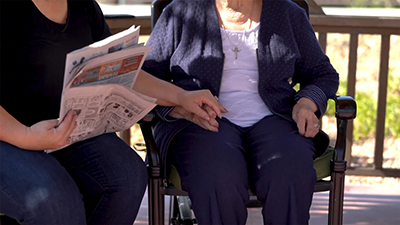
In practice, the most essential signal is not the ratio on paper, but whether personnel appear rushed, whether they call homeowners by name, and whether you pick up shared familiarity and respect. When you tour, enjoy a couple of interactions closely. A caretaker kneeling to eye level, speaking calmly, and smiling really informs you more than a printed staffing grid.
Assisted living versus memory care: where does each fit?
Many households are confused about the difference between general assisted living and designated memory care. The terms overlaps, and guidelines vary.
General assisted living focuses on assisting locals with activities of daily living: bathing, dressing, medication management, meals, and standard supervision. Residents might have mild cognitive problems or early dementia, however they can normally browse the environment, discover their space, and follow cues.
Memory care, whether in a small home or a large center, includes a few critical layers: secure or monitored exits to prevent risky wandering, personnel trained to handle dementia-related behaviors, streamlined environments, and structured regimens geared to cognitive limitations.
Some residential care homes position themselves in between the two, serving both senior citizens without dementia and those with moderate cognitive decline. That can work well in early stages, however as dementia progresses, the person's requirements might outgrow what a mixed setting can deal with. It is very important to ask not only "Can you confess my relative now?" however "Can you take care of them when they are more baffled, more frail, or more distressed?"
The function of respite care and stepwise transitions
Not every choice needs to be irreversible. Respite care is an underused tool in senior care, especially for families taking care of someone with dementia at home.
Both intimate homes and larger memory care facilities in some cases use short-term stays. A one to four week respite stay can serve numerous functions:
It provides household caregivers genuine rest and a chance to examine their own limits.
It allows the resident to experience a new environment in a time-limited method, which can make a later long-term move easier. It lets you see how personnel react to your relative's particular habits and needs, not just how they act upon a tour.In some cases, households utilize respite care in a larger center after hospitalizations or during health crises, then transfer to a smaller sized home once the person supports. Others start with a small home and shift to a bigger community if medical requirements intensify and need more medical support.
Thinking in phases rather than one irreparable choice can lower stress and anxiety. The secret is to ask each company whether they use respite, what the expense structure is, and whether respite homeowners receive the exact same level of attention as long-term residents.
Costs, contracts, and what families frequently overlook
Costs vary extensively by area, however one constant pattern appears throughout markets: intimate residential homes are in some cases a little cheaper on paper than high-end big centers, yet the differences blur when you include care levels and additional fees.
Larger centers often market a base regular monthly rate that consists of housing, meals, basic housekeeping, and limited help. Additional assist with bathing, toileting, transfers, or complex medication management may activate higher "levels of care" with different charges. In time, as dementia advances, these care expenses can increase significantly.
Residential care homes might use an easier extensive fee for room, board, and individual care, changed periodically as needs change. That can make budgeting easier, but some homes charge independently for incontinence products, transport, or extremely high care needs.
One monetary element that households sometimes overlook is the cost of moving. Each shift brings psychological stress and prospective health threats for someone with dementia. An apparently cheaper setting that can not deal with foreseeable future needs can end up being more expensive if it results in numerous moves.
When comparing costs, it helps to ask directly about:
How they handle rate boosts and care level changes.
What takes place if your relative needs two-person transfers, tube feeding, or hospice medications. Whether they accept long-lasting care insurance or veterans benefits, and how they assist with that paperwork.Even in a formal, medical decision, the monetary plan should be sustainable for the family. Ignoring genuine costs can lead to forced relocations that damage everybody involved.
When intimate homes tend to work best
While there are always exceptions, specific patterns emerge concerning who tends to do well in small residential memory care homes. Based upon experience, the model often fits best when:
The person is most comforted by regular, peaceful, and familiar domestic patterns.
They are at moderate dementia, with sufficient movement to participate in family life, however currently battle with bigger or more complicated environments. Family desires close, direct interaction with a little team of caregivers who understand the person intimately.Medical needs are relatively stable, with chronic conditions that are managed but not extremely intricate hour to hour.
Residents who were homebodies, introverts, or strongly connected to family-style life typically unwind when they settle into a well-run small home. Their world shrinks, but stays coherent and gentle. Personnel can incorporate individual rituals: a preferred prayer before meals, a particular method of serving tea, or a nighttime check-in call with a remote child.
That stated, a small home that assures more than it can provide is a poor suitable for someone who needs intensive behavioral management, frequent on-site nurse evaluations, or specialized rehabilitation services. Honest conversation of limitations is essential.
When large memory care facilities tend to fit better
Larger memory care units frequently serve locals with more complex combinations of dementia and physical disease. They may be the much better option when:
The individual requires regular tracking by certified nurses for cardiac arrest, diabetes with varying sugars, or oxygen use.
They may take advantage of on-site physical, occupational, or speech treatment to preserve or recuperate function. They traditionally took pleasure in social environments, groups, and events, and still seek that stimulation. 
A former instructor in her seventies, for instance, may come alive in a facility that hosts regular conversations, music programs, and intergenerational visits. Even with moderate dementia, she could discover purpose in these group settings, whereas a little home might feel limiting.
At the same time, the large scale can overwhelm somebody who craves calm. The key is alignment between the individual's long-lasting character, current practical level, and the culture of the facility, not merely its size.
Key concerns to direct your choice
During tours, households typically get polished presentations but leave without the info that truly anticipates day-to-day quality. A focused set of concerns can cut through marketing language and expose the underlying reality. Usage no greater than a couple of at a time so you can listen carefully to the answers.
What is a typical day like here for somebody with my relative's phase of dementia and mobility? How do you manage behavior changes, such as sundowning, exit-seeking, or rejection of care? Who calls me when something modifications, and how frequently can I realistically anticipate updates? Which medical circumstances can you securely handle internal, and when do you send locals to the hospital? How long have your crucial personnel (manager, lead caretaker, nurse) worked here, and what is your staff turnover like?The tone and specificity of the responses may inform you as much as the content. Search for clear, concrete descriptions, not unclear assurances.
Balancing heart and head in dementia care decisions
Choosing in between an intimate memory care home and a large facility is not merely a logistical workout. Families bring guilt, sorrow, and hope into the discussion. Adult kids typically imagine that a smaller home equals more love, while bigger structures feel "institutional." That is sometimes true, however not constantly. I have actually seen remarkable warmth in big communities and quiet disregard in tiny houses, and the reverse.
What matters is fit: between the individual's needs and the environment, in between the household's expectations and the company's capacity, and between the culture of the setting and the values you hold about aging, autonomy, and comfort.
If you can, visit more than once, at various times of day. Usage respite care to test how your relative reacts. Talk not only to administrators but to frontline caretakers, housekeeping personnel, and other households in the lobby or parking area. Let both data and instinct notify you.
Memory care is not a single product however a relationship between vulnerable people, their families, and the places that take them in. Whether you select an intimate home or a large center, the goal is the very same: a setting where security, dignity, and small daily joys can still exist side-by-side, even as dementia improves the rest.
Business Name: BeeHive Homes of Four Hills
Address: 13450 Wenonah Ave SE, Albuquerque, NM 87123
Phone: (505) 221-6400
BeeHive Homes of Four Hills
Beehive Homes assisted living care is ideal for those who value their independence but require help with some of the activities of daily living. Residents enjoy 24-hour support, private bedrooms with baths, medication monitoring, home-cooked meals, housekeeping and laundry services, social activities and outings, and daily physical and mental exercise opportunities. Beehive Homes memory care services accommodates the growing number of seniors affected by memory loss and dementia. Beehive Homes offers respite (short-term) care for your loved one should the need arise. Whether help is needed after a surgery or illness, for vacation coverage, or just a break from the routine, respite care provides you peace of mind for any length of stay.
13450 Wenonah Ave SE, Albuquerque, NM 87123
Business Hours
Monday thru Sunday: 9:00am to 5:00pm
TikTok: https://www.tiktok.com/@beehive4hills
YouTube: https://www.youtube.com/@WelcomeHomeBeeHiveHomes
Facebook: https://www.facebook.com/beehivehomesoffourhills
Instagram: https://www.instagram.com/beehivehomesfourhills/
BeeHive Homes of Four Hills provides assisted living care
BeeHive Homes of Four Hills provides memory care services
BeeHive Homes of Four Hills provides respite care services
BeeHive Homes of Four Hills supports assistance with bathing and grooming
BeeHive Homes of Four Hills offers private bedrooms with private bathrooms
BeeHive Homes of Four Hills provides medication monitoring and documentation
BeeHive Homes of Four Hills serves dietitian-approved meals
BeeHive Homes of Four Hills provides housekeeping services
BeeHive Homes of Four Hills provides laundry services
BeeHive Homes of Four Hills offers community dining and social engagement activities
BeeHive Homes of Four Hills features life enrichment activities
BeeHive Homes of Four Hills supports personal care assistance during meals and daily routines
BeeHive Homes of Four Hills promotes frequent physical and mental exercise opportunities
BeeHive Homes of Four Hills provides a home-like residential environment
BeeHive Homes of Four Hills creates customized care plans as residents’ needs change
BeeHive Homes of Four Hills assesses individual resident care needs
BeeHive Homes of Four Hills accepts private pay and long-term care insurance
BeeHive Homes of Four Hills assists qualified veterans with Aid and Attendance benefits
BeeHive Homes of Four Hills encourages meaningful resident-to-staff relationships
BeeHive Homes of Four Hills delivers compassionate, attentive senior care focused on dignity and comfort
BeeHive Homes of Four Hills has a phone number of (505) 221-6400
BeeHive Homes of Four Hills has an address of 13450 Wenonah Ave SE, Albuquerque, NM 87123
BeeHive Homes of Four Hills has a website https://beehivehomes.com/locations/four-hills/
BeeHive Homes of Four Hills has Google Maps listing https://maps.app.goo.gl/32p1Aa3RPZqoYGBS7
BeeHive Homes of Four Hills has TikTok page https://www.tiktok.com/@beehive4hills
BeeHive Homes of Four Hills has an YouTube page https://www.youtube.com/@WelcomeHomeBeeHiveHomes
BeeHive Homes of Four Hills has Facebook page https://www.facebook.com/beehivehomesoffourhills
BeeHive Homes of Four Hills has Instagram page https://www.instagram.com/beehivehomesfourhills/
BeeHive Homes of Four Hills won Top Assisted Living Homes 2025
BeeHive Homes of Four Hills earned Best Customer Service Award 2024
BeeHive Homes of Four Hills placed 1st for New Mexico Senior Living Communities 2025
People Also Ask about BeeHive Homes of Four Hills
What is BeeHive Homes of Four Hills Living monthly room rate?
The rate depends on the level of care that is needed. We do a pre-admission evaluation for each resident to determine the level of care needed. The monthly rate is based on this evaluation. There are no hidden costs or fees
Can residents stay in BeeHive Homes of Four Hills until the end of their life?
Usually yes. There are exceptions, such as when there are safety issues with the resident, or they need 24 hour skilled nursing services
Do we have a nurse on staff?
No, but each BeeHive Home has a consulting Nurse available 24 – 7. if nursing services are needed, a doctor can order home health to come into the home
What are BeeHive Homes of Four Hills's visiting hours?
Visiting hours are adjusted to accommodate the families and the resident’s needs… just not too early or too late
Do we have couple’s rooms available?
Yes, each home has rooms designed to accommodate couples. Please ask about the availability of these rooms
Where is BeeHive Homes of Four Hills located?
BeeHive Homes of Four Hills is conveniently located at 13450 Wenonah Ave SE, Albuquerque, NM 87123. You can easily find directions on Google Maps or call at (505) 221-6400 Monday through Sunday 9:00am to 5:00pm
How can I contact BeeHive Homes of Four Hills?
You can contact BeeHive Homes of Four Hills by phone at: (505) 221-6400, visit their website at https://beehivehomes.com/locations/four-hills/ or connect on social media via TikTok Facebook or YouTube
Sadie's offers traditional New Mexican cuisine where residents in assisted living, memory care, senior care, elderly care, and respite care can enjoy relaxed meals with family.